
experiences
The Depths of the Earth and the Colors of the Sky
Day 1 – Konya
Çatalhöyük: The Cradle of Civilization (UNESCO World Heritage Site)
Located near the district of Çumra in Konya, Çatalhöyük is one of the world’s oldest known settlements, dating back approximately 9,000 years. A key site of the Neolithic period, it was inscribed on the UNESCO World Heritage List in 2012. With its interconnected dwellings, vibrant wall paintings, and artifacts reflecting daily life, Çatalhöyük offers visitors a profound journey into the past. Modern walkways and a well-designed visitor center create a powerful connection between ancient history and the present.
Tomb of Shams-i Tabrizi
The spiritual guide of Mevlânâ Rumi, Shams-i Tabrizi's tomb stands as a peaceful sanctuary in the heart of Konya. Its modest architecture and serene surroundings provide visitors with a moment of quiet introspection. Adjacent to the tomb, Shams Park is a charming spot for a leisurely stroll.

Karatay Madrasa
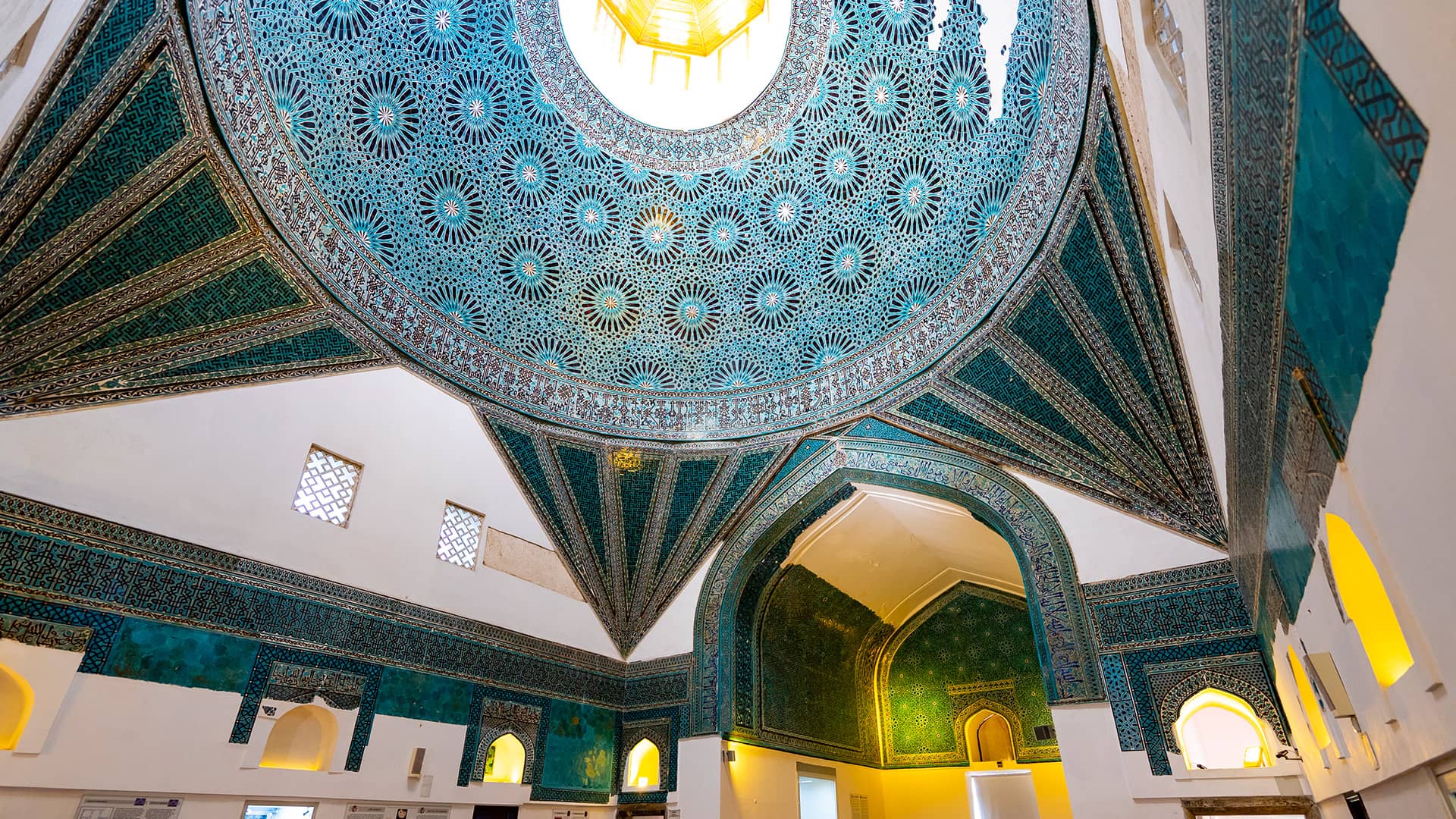
Commissioned in 1251 by Emir Celaleddin Karatay, this Seljuk-era madrasa showcases some of the finest examples of stone craftsmanship and tile art. Now operating as the Museum of Tiles, it offers a mesmerizing atmosphere with its sky-hued blue and turquoise tiles that evoke the heavens.
Mevlâna Museum
One of Konya’s most iconic landmarks, the Mevlâna Museum is home to the tomb of the great Sufi mystic Mevlânâ. Its green dome, semahane (whirling hall), and dervish cells introduce the Mevlevi culture to the world. Filled with messages of love, tolerance, and unity, the museum welcomes millions of visitors each year.
Konya Archaeological Museum
Among Türkiye’s oldest archaeology museums, the Konya Archaeological Museum houses an extensive collection ranging from the Neolithic to the Roman era. Highlights include figurines from Çatalhöyük and impressive Roman artifacts that showcase the region’s deep cultural heritage.
Whirling Dervish Ceremony (UNESCO Intangible Cultural Heritage)
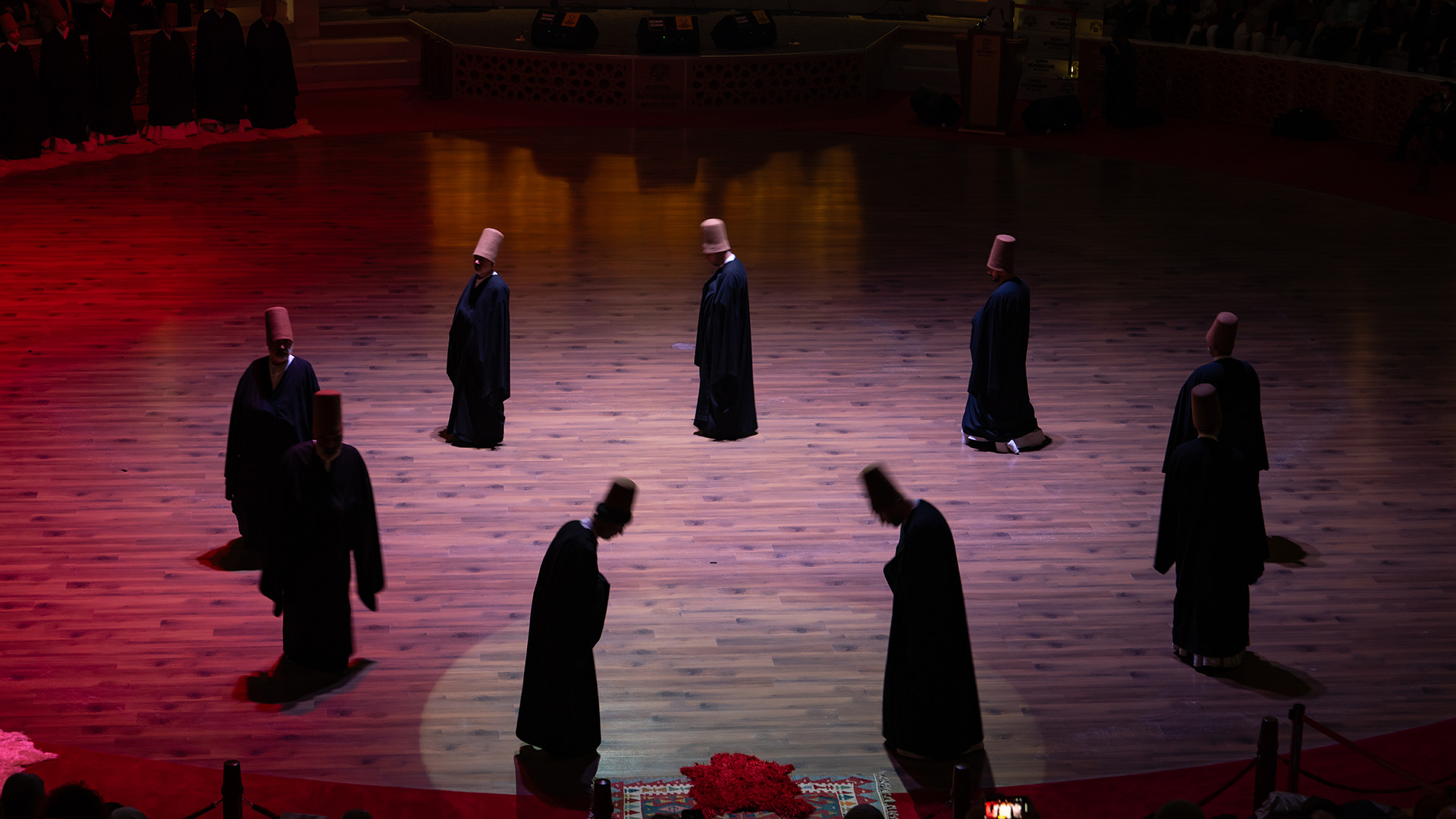
The Mevlevi Sema Ceremony is a spiritual journey symbolizing the soul’s transcendence and union with the divine. Accompanied by the haunting sound of the ney (reed flute), rhythmic drumming, and graceful rotations, it offers a deeply moving experience. Recognized by UNESCO in 2008, the ceremony is a powerful expression of humanism, peace, and inner harmony, blending music, poetry, and ritual into a timeless cultural tradition.
Day 2 – Konya to Cappadocia
Sille Village
Just outside Konya, Sille is a centuries-old stone village with a rich multicultural past. With its charming cobbled streets and the historic Aya Eleni Church, the village offers visitors a fairy-tale-like setting.
Derinkuyu Underground City (UNESCO World Heritage Site)
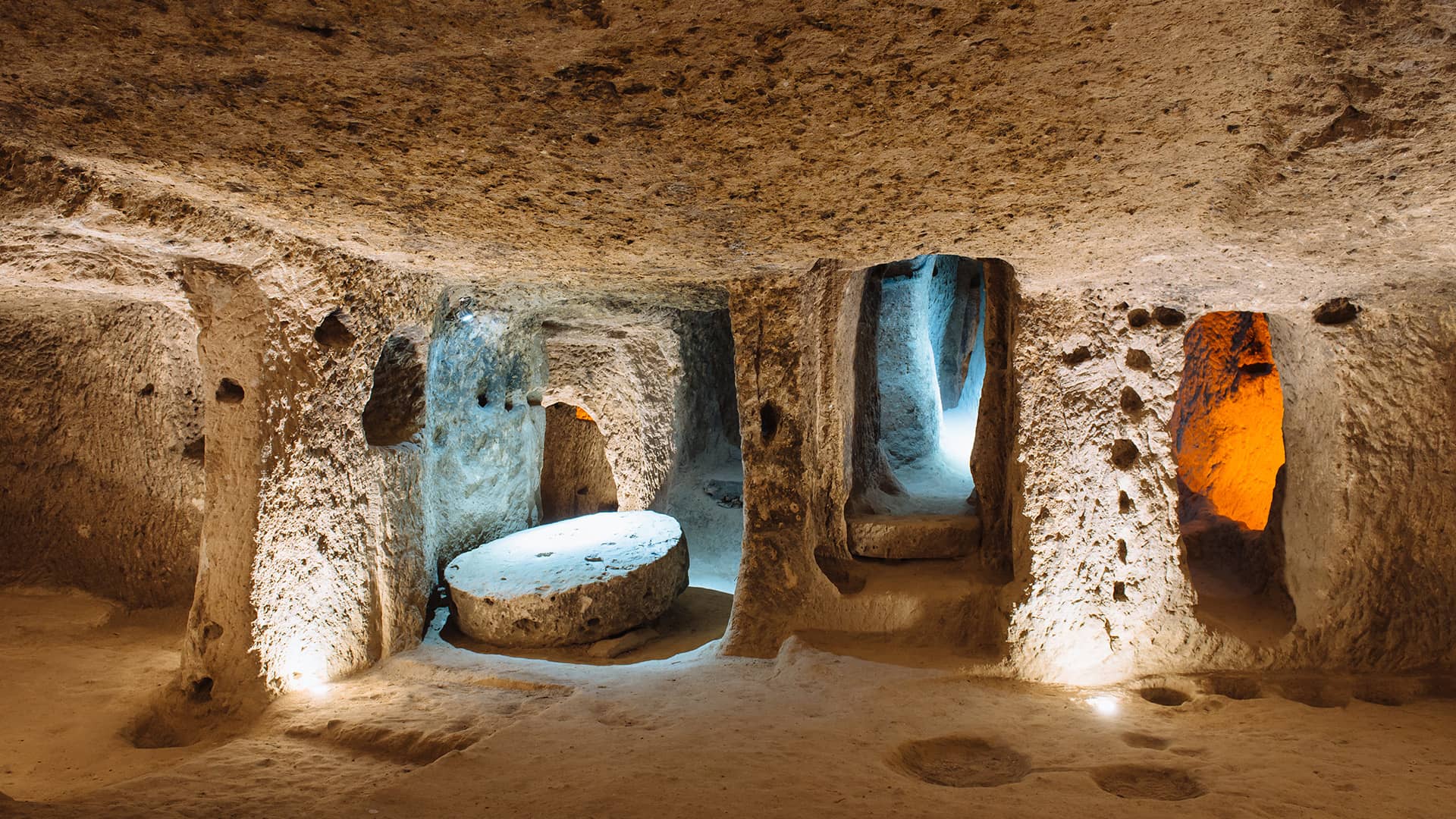
Included in the UNESCO listing alongside Göreme National Park in 1985, Derinkuyu is the deepest of Cappadocia’s underground cities. Reaching a depth of 85 meters, it features ventilation shafts, kitchens, stables, and wine cellars—an astonishing testament to human ingenuity. Once a refuge for thousands during times of peril, Derinkuyu is among the region’s most captivating sites.
Fairy Chimneys – The Three Beauties (Üç Güzeller)
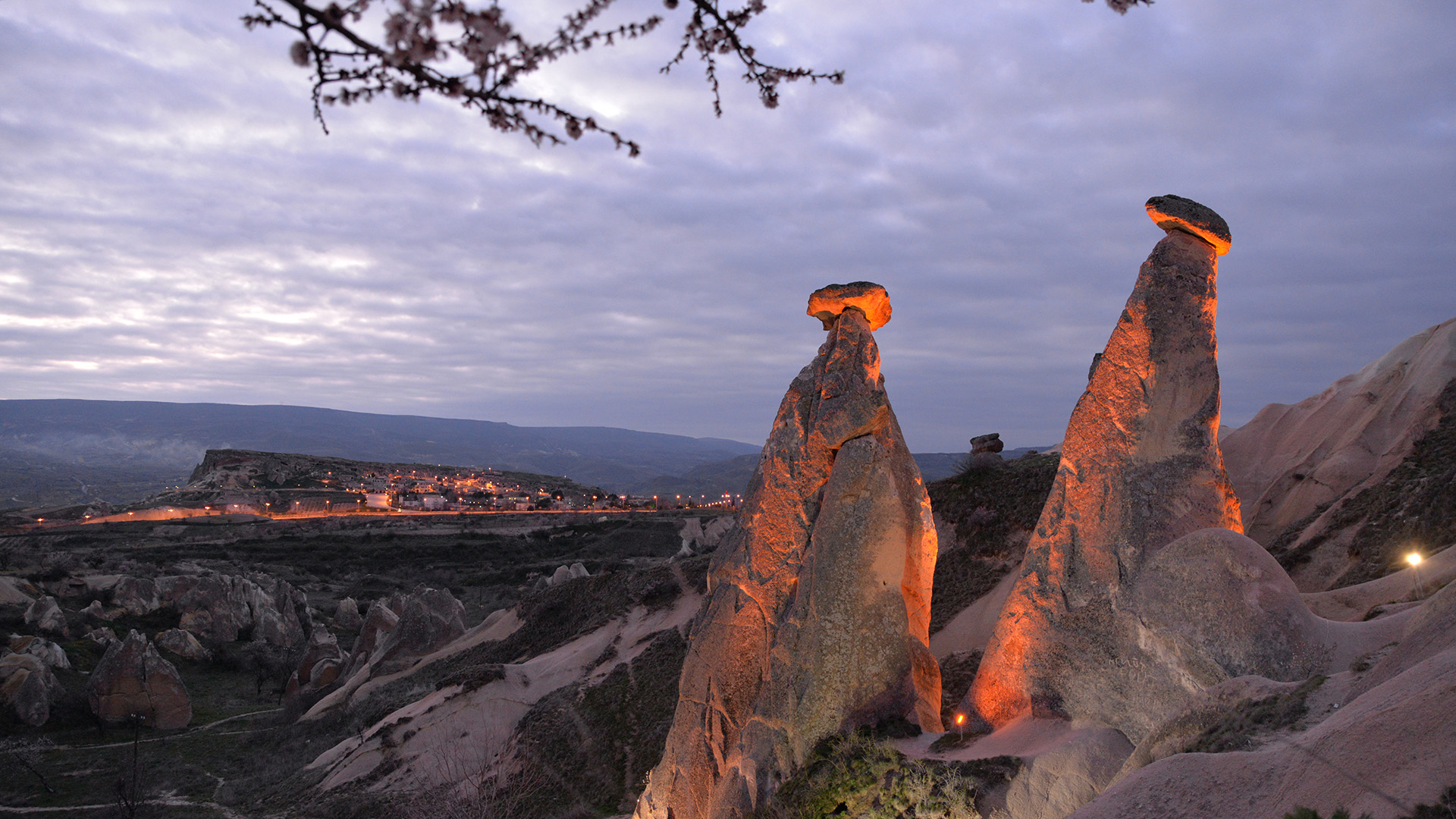
A symbol of Cappadocia, the “Three Beauties” near Ürgüp are three iconic fairy chimneys said to represent love, family, and loyalty. At sunset, they offer a truly magical panorama.
Mustafapaşa – Sinasos (UNWTO Best Tourism Villages 2021)
One of Cappadocia’s most unique settlements, Mustafapaşa is known for its elegant stone mansions, churches, and multicultural heritage. Many restored buildings now serve as boutique hotels, art galleries, and restaurants. In 2021, the UNWTO recognized Mustafapaşa as one of its “Best Tourism Villages” for its authentic preservation of cultural heritage and its sustainable tourism practices that support local life.

Day 3 – Cappadocia
Hot Air Balloon Ride
Soaring over Cappadocia’s fairy chimneys and valleys at sunrise in a hot air balloon is one of Türkiye’s most iconic travel experiences. The flight lasts about an hour, offering unforgettable views bathed in the pastel hues of early morning light.
Pigeon Valley (Güvercinlik Vadisi)
Famous for its dovecotes carved into the rock, Pigeon Valley is one of the most peaceful spots in Cappadocia. Ideal for nature walks, photography, and quiet reflection, it offers panoramic views and a tranquil atmosphere.
Uçhisar Castle
Perched at the highest point in Cappadocia, Uçhisar Castle offers sweeping views over the Göreme Valley and Mount Erciyes. Its rock-cut rooms and tunnels reflect the region’s historical defense systems.
Göreme Open-Air Museum (UNESCO World Heritage Site)
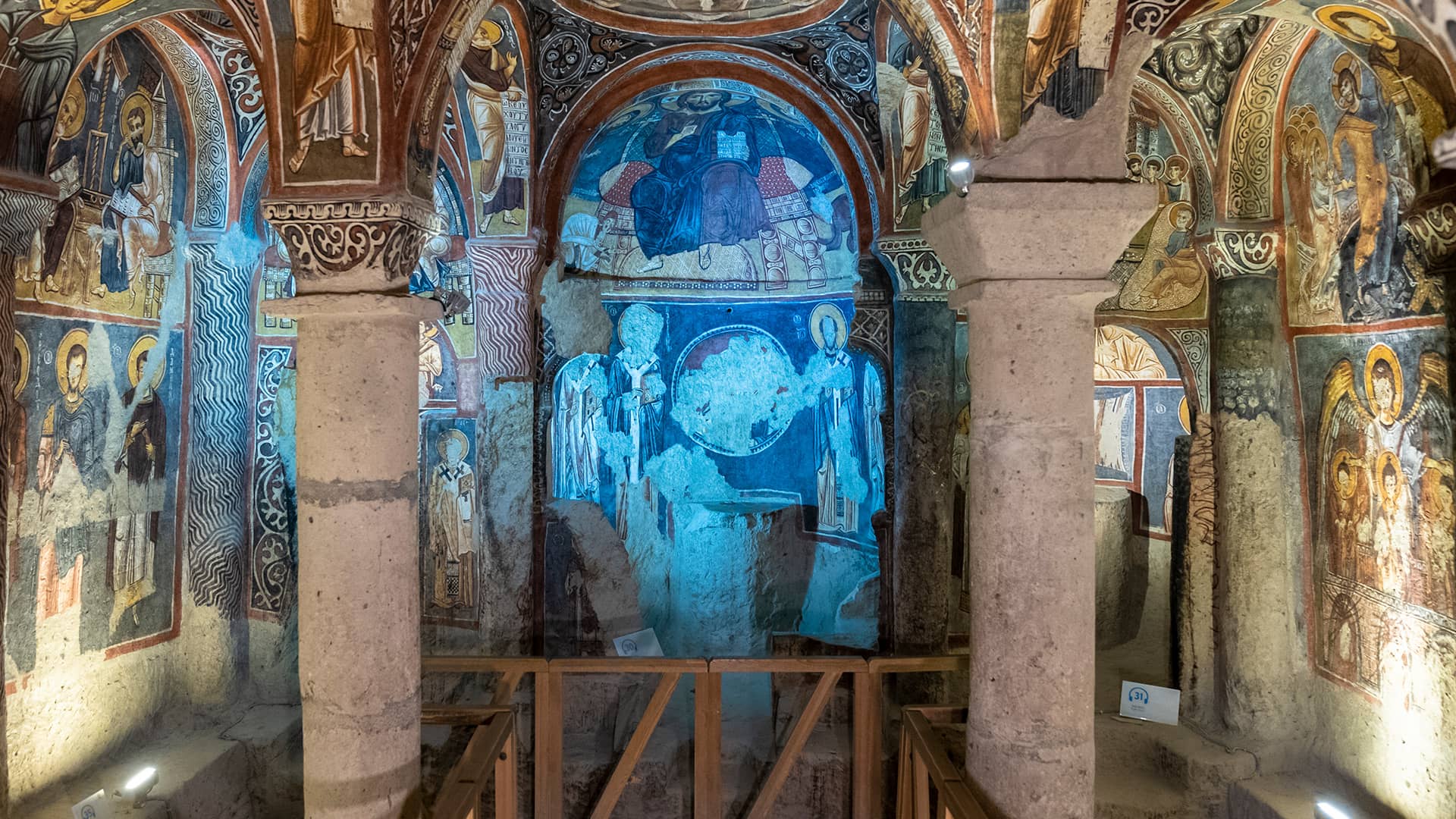
This unique monastic complex features rock-hewn churches, chapels, and frescoes dating from the 10th to 12th centuries. Churches like Elmalı, Karanlık, and Tokalı showcase some of the finest surviving Byzantine frescoes. Recognized by UNESCO in 1985 for its unparalleled rock-cut architecture and remarkably preserved monastic life, the museum is a centerpiece of Cappadocia’s cultural landscape.
Paşabağ – Valley of the Monks
Known for its striking multiple-headed fairy chimneys, Paşabağ is one of the most photogenic valleys in Cappadocia. The presence of Saint Simeon’s hermitage adds historical depth to its natural beauty.
Zelve Open-Air Museum
One of the earliest settlements in Cappadocia, Zelve offers a magical blend of history and nature with its cave dwellings, churches, and rock tunnels.
Avanos Pottery Workshops
Avanos, nestled along the Kızılırmak (Red River), has been a hub of pottery for over 5,000 years, dating back to the Hittites. Visitors can try their hand at the pottery wheel in local workshops, making for a fun and enriching cultural experience.