

experiences
Traces of the Silk Road: A 3-Day Journey Through the Heart of Anatolia
This special route blends the footsteps of history with the serenity of nature, offering a journey from ancient Anatolian towns to lush green landscapes. As you explore Ottoman and Seljuk heritage, you’ll feel the warmth of traditional life and the heartfelt spirit of Anatolia.
Day 1 — Ayaş · Beypazarı · Mudurnu
Ayaş
Ayaş has long been one of the most important stopovers along the Silk Road. Renowned during the Ottoman era for its healing thermal springs, the district is a destination where nature and history meet. Here, you can stroll among historic stone mansions and taste local specialties such as tandır kebab or the famous Ayaş cherry. With its natural ponds, green hills, and quiet streets, Ayaş is an ideal starting point for those seeking to escape the noise of city life.
Kirazdibi Pond
Located near ancient caravan routes and surrounded by pine and oak forests, this tranquil pond mirrors the silence of nature. It is ideal for sunrise and sunset photography—take a deep breath and enjoy the moment.
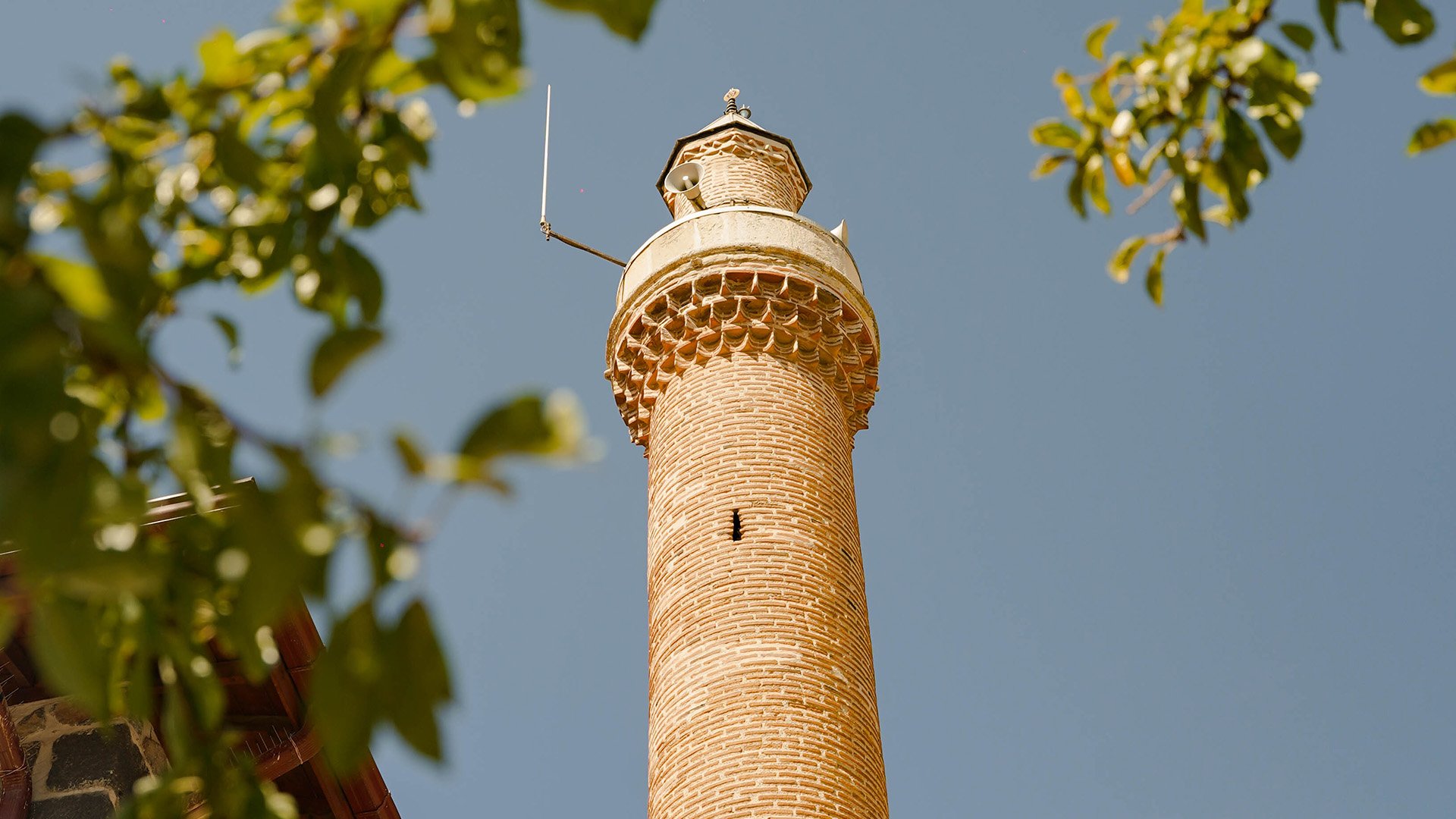
Ayaş Grand Mosque (Ulu Cami)
The oldest and largest mosque in Ayaş, likely dating to the 15th century based on its architectural features. Its rubble-stone walls reinforced with wooden beams are distinctive. Once topped with an earthen roof, it was later replaced with a hipped roof covered in traditional Turkish tiles.
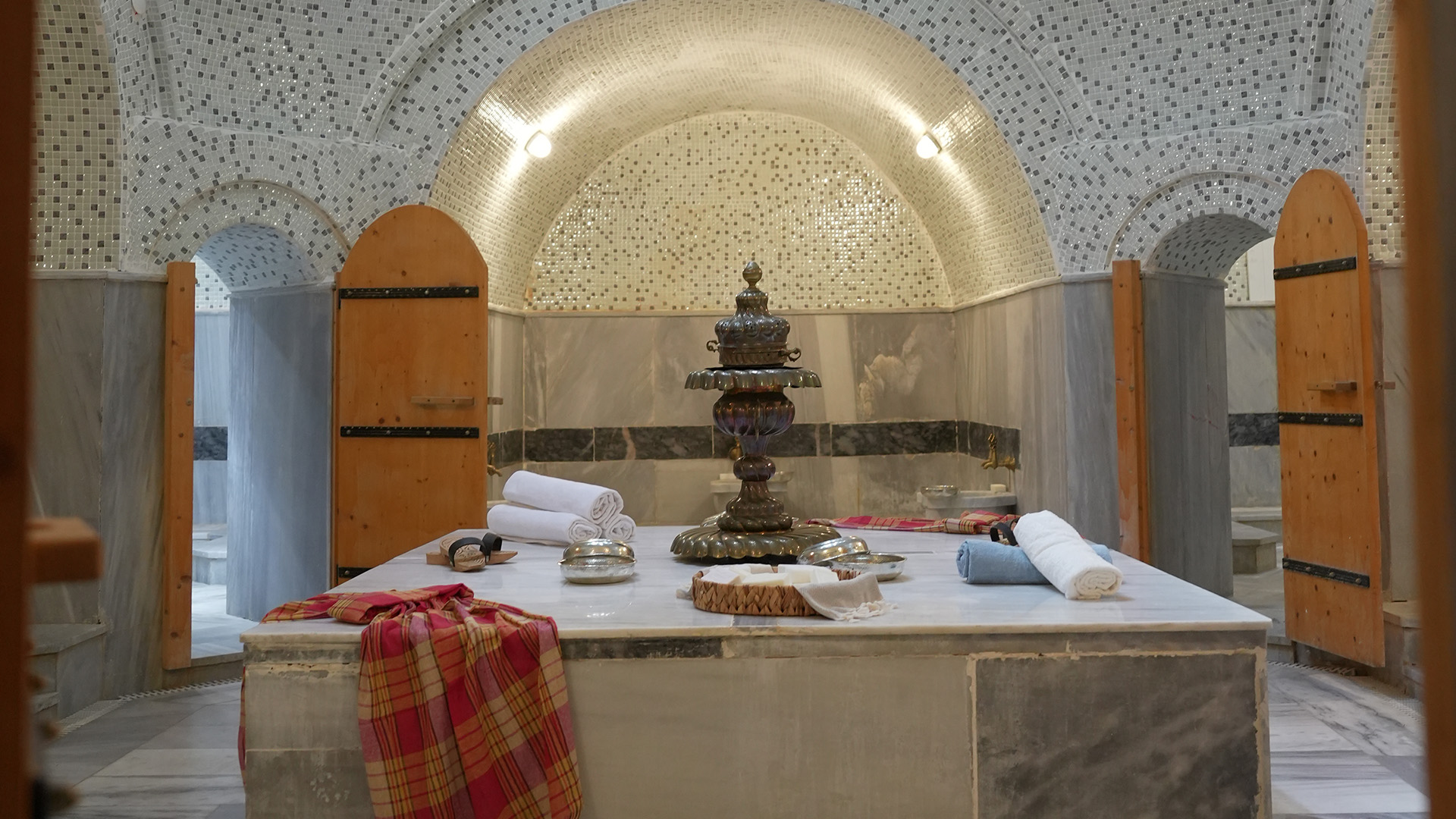
Ayaş Historical Paşa Bath
This bathhouse preserves the authentic atmosphere of Ottoman bathing culture. Its cold and hot sections reflect the social life of the period. Once a rest stop for weary caravans, it still offers visitors a sense of living history.
Beypazarı
Known as Ankara’s cultural treasure, Beypazarı is an Ottoman town that has stood the test of time with its wooden bay-windowed houses, traditional crafts, and authentic cuisine. It is famous for silver filigree, handicrafts, and carrot delight. As you wander its cobblestone streets, the scent of freshly baked cookies drifts from the windows of historic mansions. Every corner holds a living story.
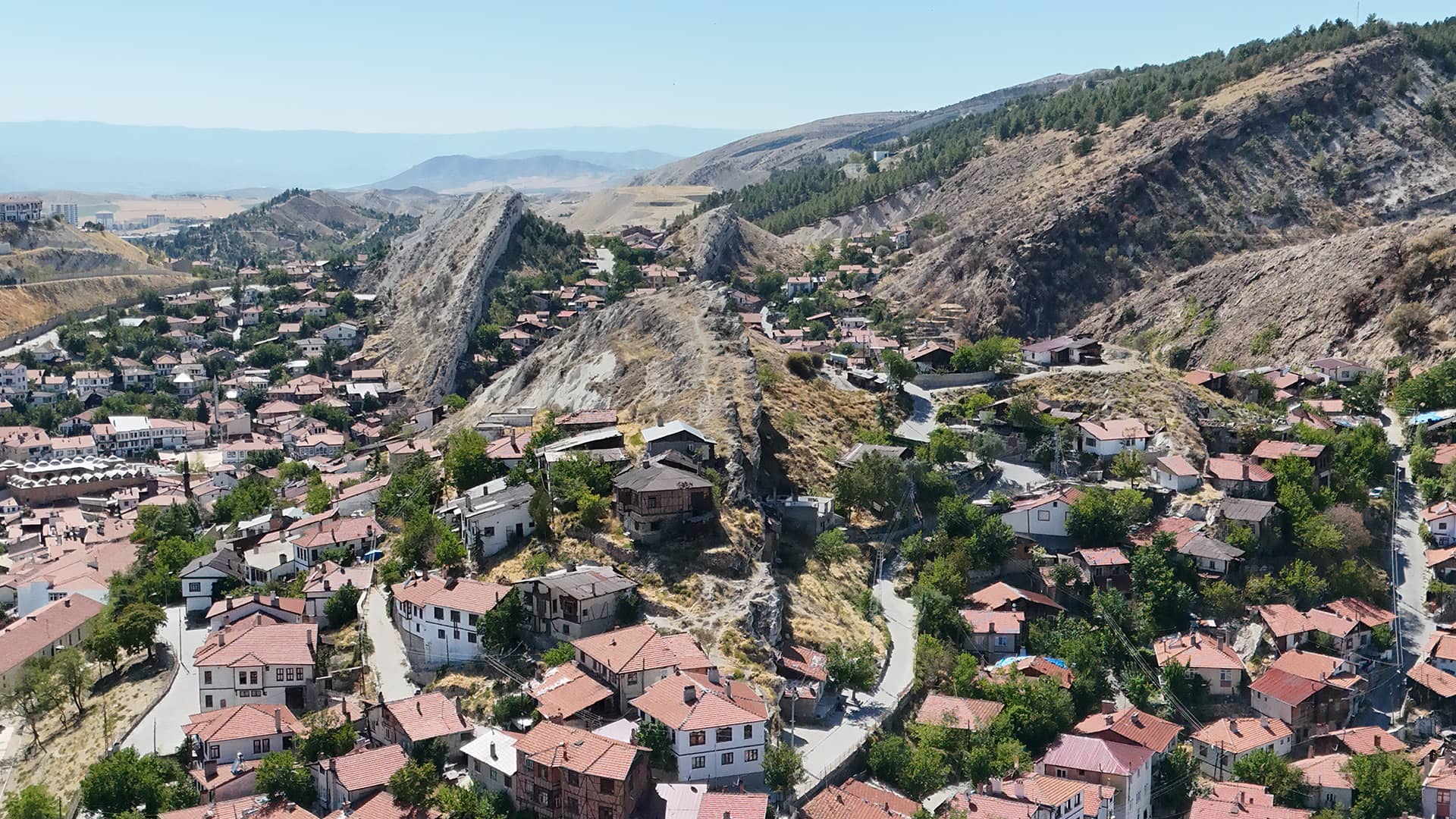
Hıdırlık Hill
Rising above the center of Beypazarı, Hıdırlık Hill is one of the most remarkable spots overlooking both the town’s history and its unique silhouette. Named after Hıdırellez, Anatolia’s traditional celebration of abundance and spring, the hill once served as a gathering place where people made wishes and held communal festivities. For centuries, it remained both a customary meeting point and a religious–cultural symbol for the people of Beypazarı.
Today, Hıdırlık Hill is the first stop for visitors wishing to enjoy a panoramic view of Beypazarı. From here, the town’s Ottoman-era mansions, its blend of wooden and stone architecture, and the houses stretching along the valley appear almost like a miniature model. Beypazarı’s famous “layered” settlement pattern is seen most clearly from this hill.
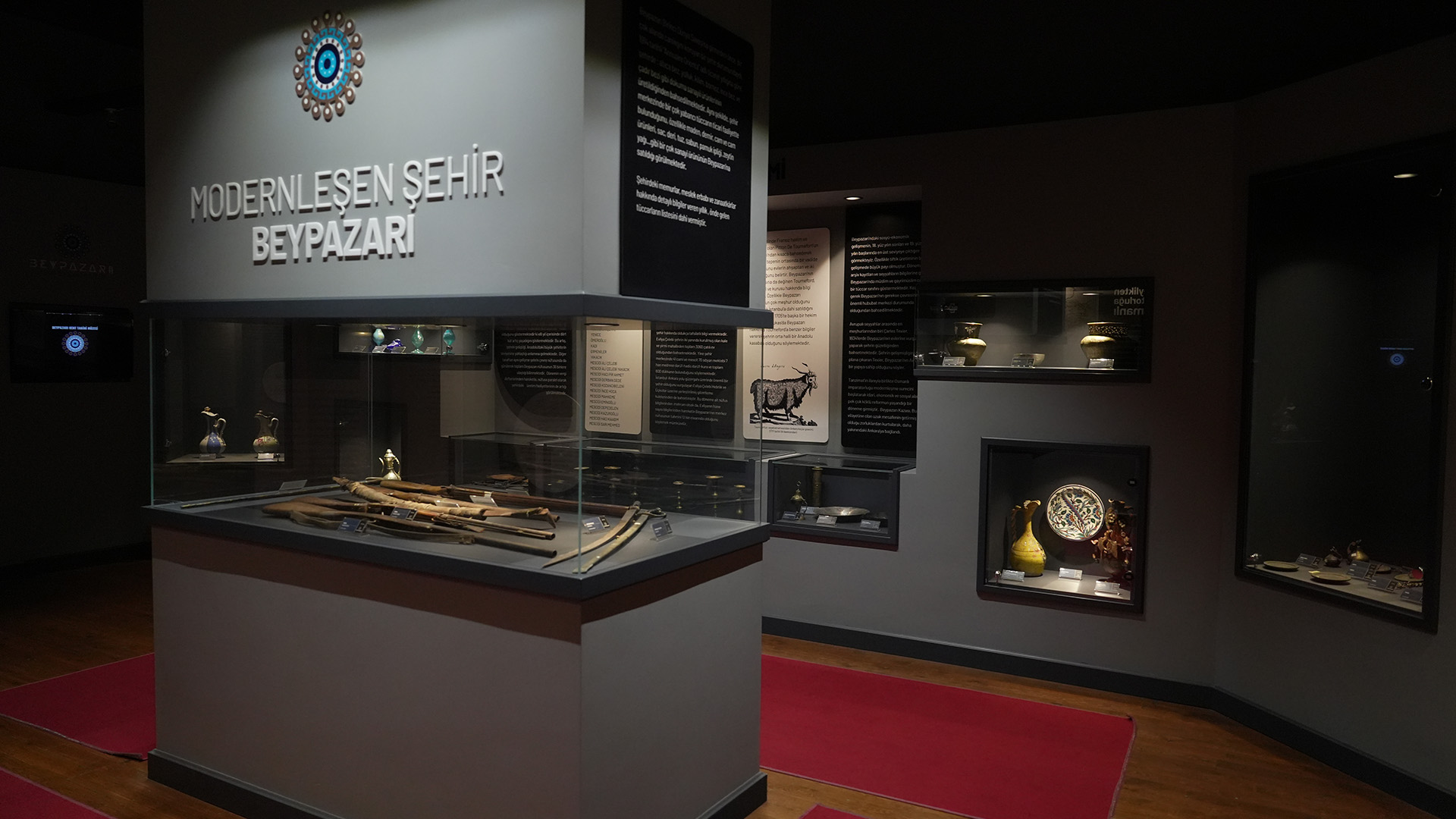
Beypazarı City Museum
This two-story museum showcases the region’s history, culture, and traditions through models, documents, and video displays. Visitors can view objects from the Ottoman era as well as workshops that revive old crafts.
Suluhan (Nasuh Paşa Inn)
Built in 1613, this inn is a fine example of a classic Ottoman urban caravanserai. Once a resting place for caravans, it includes rooms, shops, a small mosque, and a stream running through its courtyard—shedding light on the commercial life of its time.
Bath Museum
This museum displays textiles, metal objects, and bone tools used in Turkish baths for centuries, bringing Ottoman bathing culture to the present day.
Living Museum
Located in an Ottoman mansion belonging to the Abbaszadeler family, the museum keeps traditional crafts alive with hands-on workshops. Visitors can try marbling (ebru), calligraphy, weaving, and more.
Nallıhan
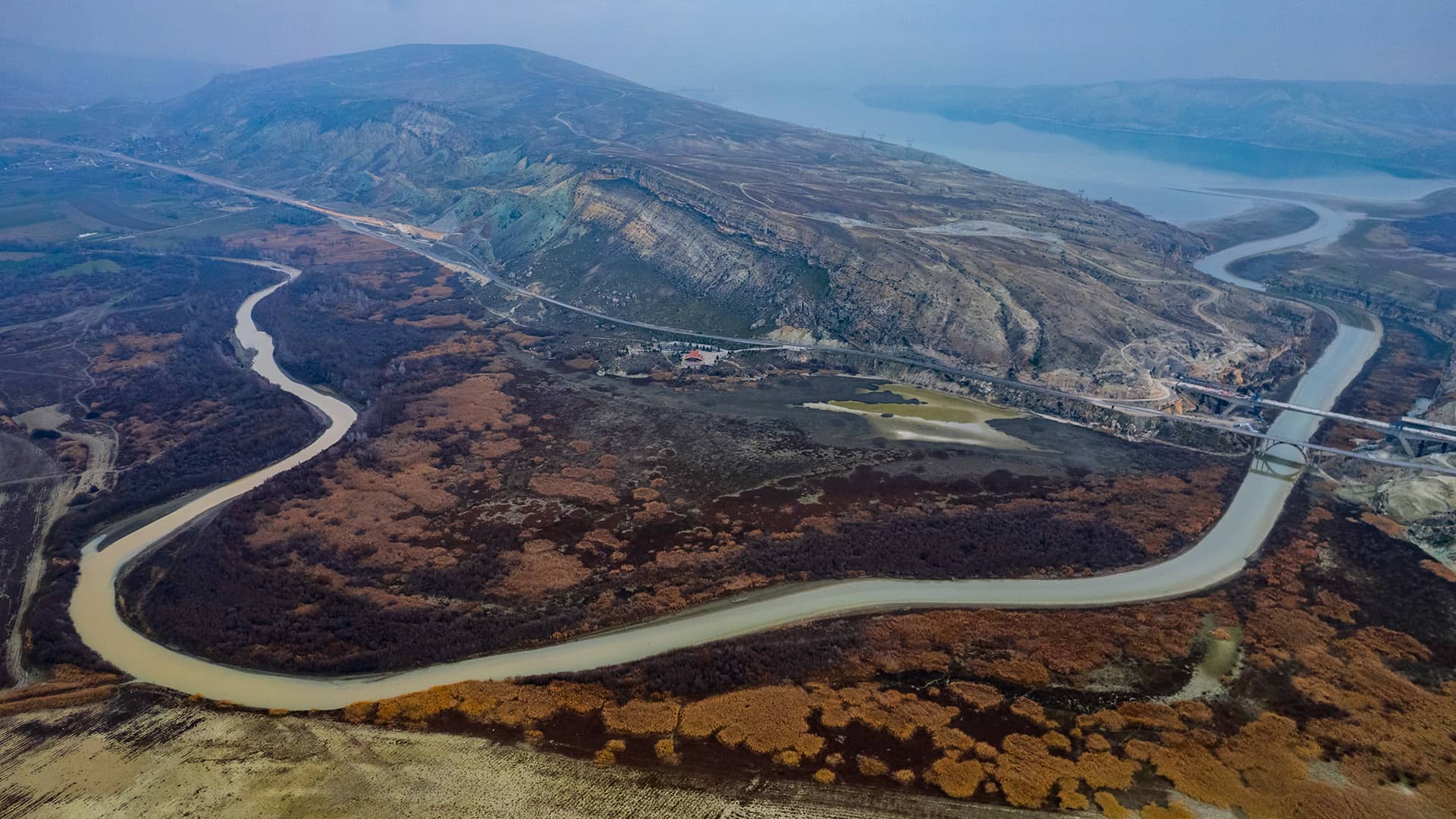
Located at the crossroads of historic caravan routes between Ankara and Bolu, the district of Nallıhan served as an important stop along the Silk Road for centuries. During the Ottoman period, it was a lively hub where merchants rested and trade flourished—an identity the area still preserves strongly today.
Nallıhan stands out not only for its commercial past but also for its internationally significant natural sites such as the Nallıhan Bird Sanctuary, the vividly colored geological formations of the Nallıhan Fossil Hills, and its traditional handicraft, Nallıhan needle lace. With landmarks like the historic Kocahan and neighborhoods that reflect authentic Ottoman urban fabric, the district offers visitors a rich blend of cultural and natural heritage.
Nallıhan is a distinctive destination where history, nature, and local life come together—an essential stop for anyone tracing the legacy of the Silk Road across Anatolia.
Kocahan
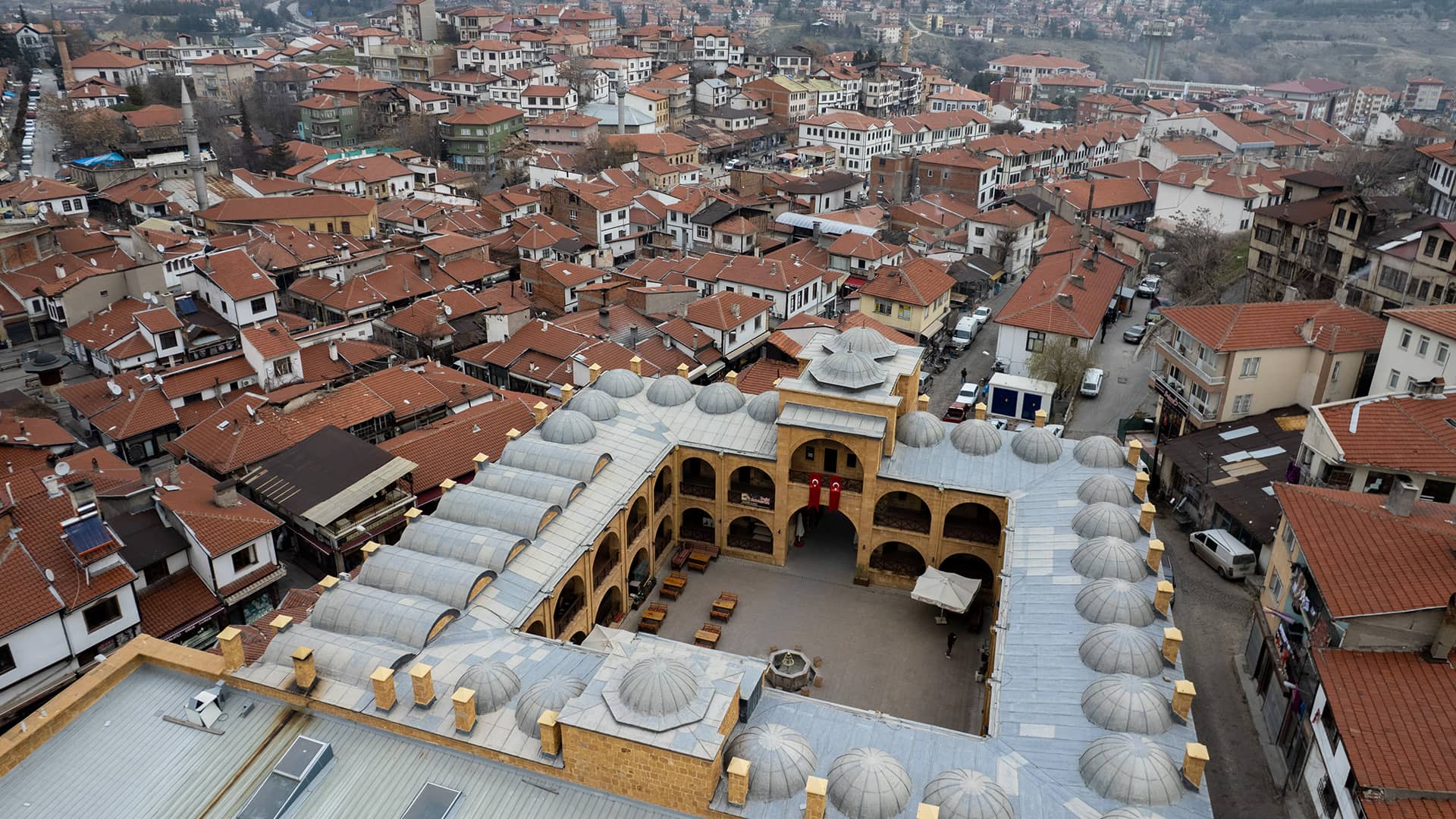
Located in the center of Nallıhan, Kocahan is a significant Ottoman inn built between 1599 and 1601 by Nasuh Pasha. Thanks to its position along the Ankara–Beypazarı–Göynük route of the Silk Road, it served for centuries as a lodging and trade hub for merchants. Constructed from cut stone and brick, the structure is one of the best-preserved examples of the classical caravanserai layout with an inner courtyard. The ground floor housed storage areas and animals of the caravans, while the upper floor contained rooms for travelers.
Today, the restored Kocahan stands as one of the key structures that bring to life the atmosphere of Ottoman commercial culture and offer a tangible glimpse into the Silk Road heritage.
Nasuh Pasha Mosque
Located in the center of Nallıhan, the Nasuh Pasha Mosque was commissioned between 1599 and 1601 by the statesman Nasuh Pasha. Designed together with the inn and market built in the same period, the mosque formed an essential component of the Ottoman lodging and trade system along the Silk Road. In this respect, it stands as one of the rare surviving examples that reflect the caravan culture of the region.
Constructed with cut stone and brick, the mosque showcases a simple yet dignified example of classical Ottoman architecture. Its single dome, elegant minaret, and courtyard layout create a cohesive complex effect at the heart of the town. For centuries, the mosque has stood at the center of Nallıhan’s social and religious life, and it continues to serve today as a vibrant place of worship and visitation.
Mudurnu — UNESCO Tentative List (Ahi Culture) · Cittaslow
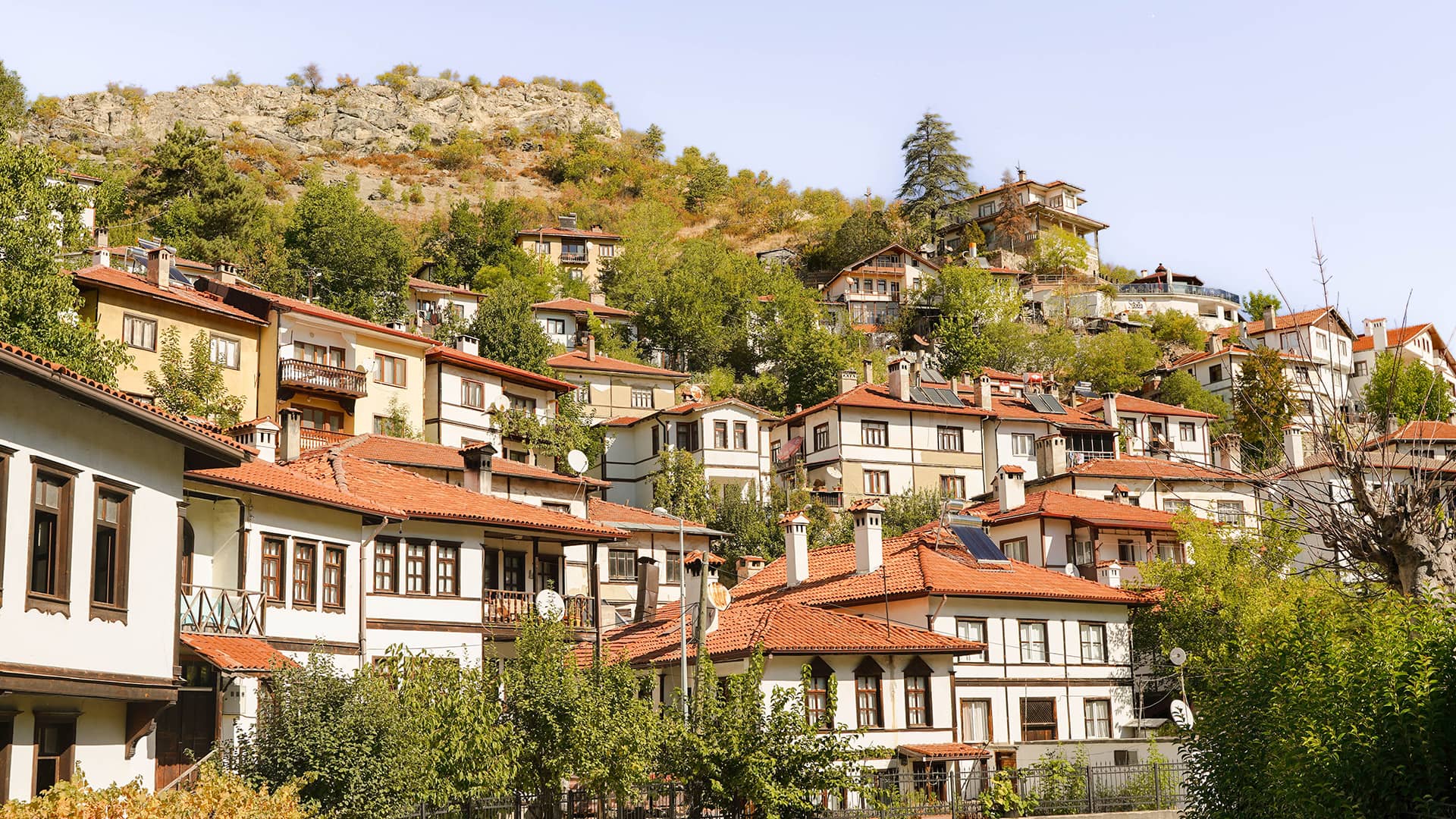
Mudurnu preserves the centuries-old Ahi tradition with the artisans working in its historic bazaar. Recognized in 2015 for successfully safeguarding this heritage and maintaining its authentic Ottoman urban fabric, Mudurnu was added to the UNESCO Tentative List (Ahi Culture). Its wooden houses, hillside architecture, and fresh forest air make it captivating for both history lovers and nature enthusiasts. Local flavors such as pan-fried trout in butter and keşli erişte are must-try dishes.
Mudurnu Clock Tower
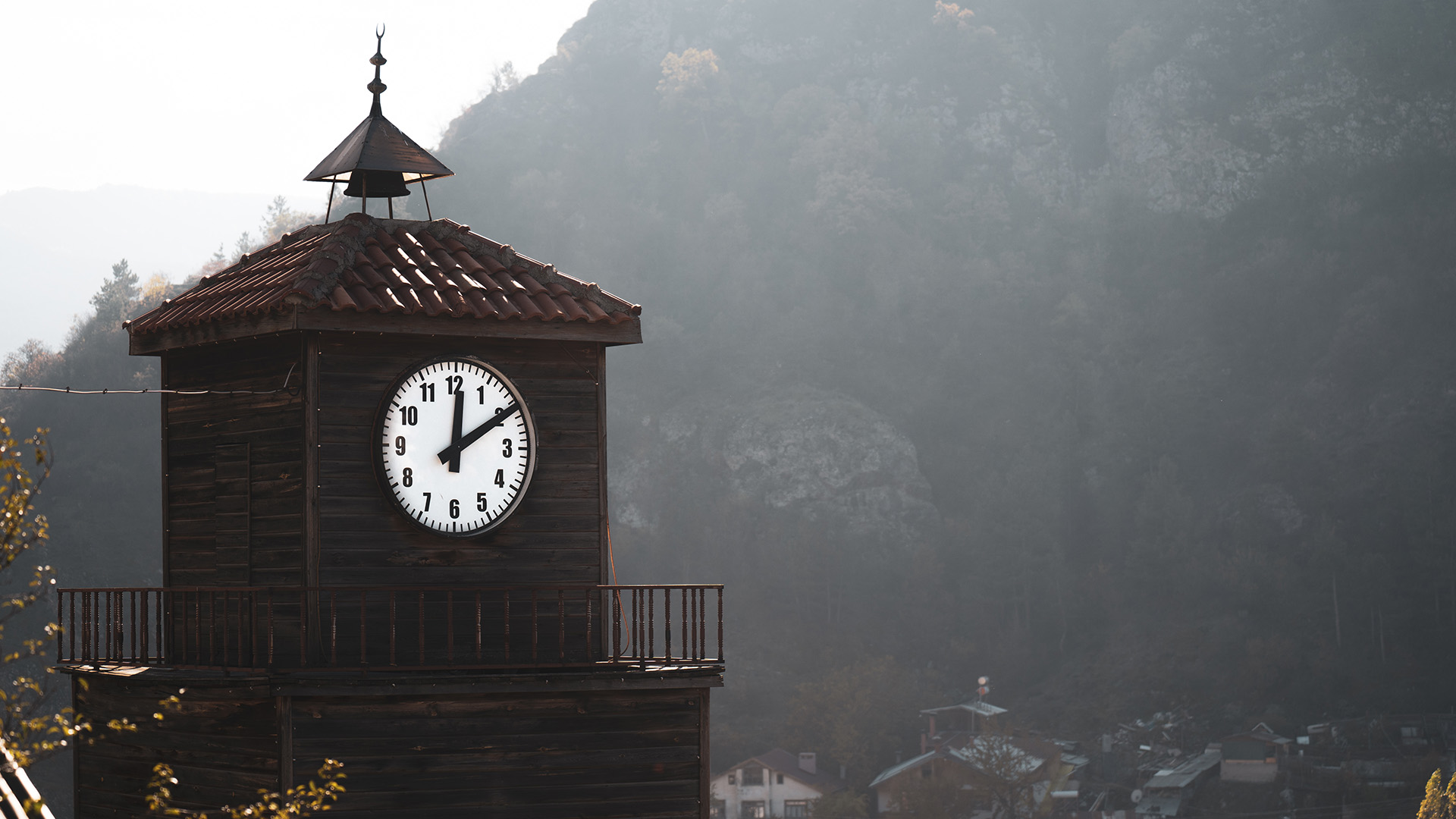
Rebuilt in 1905, this stone tower is one of the town’s symbols. Visitors can enjoy a panoramic view of Mudurnu from its 12-meter-high terrace.
Mudurnu Bazaar
Echoing with the sounds of coppersmiths, tinworkers, and blacksmiths, this bazaar is a living testimony to the Ahi tradition. Strolling through its craft-filled streets feels like traveling back in time.
Day 2 — Göynük · Taraklı · Geyve · Arifiye · Sapanca
Göynük — Cittaslow
Göynük is an Ottoman town that seems frozen in time, with its historic mansions, mosques, tombs, and peaceful streets forming an open-air museum. Preserving its traditional lifestyle and authentic architecture, it was accepted into the Cittaslow network in 2017. Often referred to as the “Back Garden of the Palace,” Göynük has maintained its natural beauty for centuries.
Göynük Victory Tower
Built in 1922 in memory of the Battle of Sakarya, this hexagonal, three-story wooden tower is the town’s symbol and offers sweeping views of Göynük.
Taraklı — UNWTO Best Village
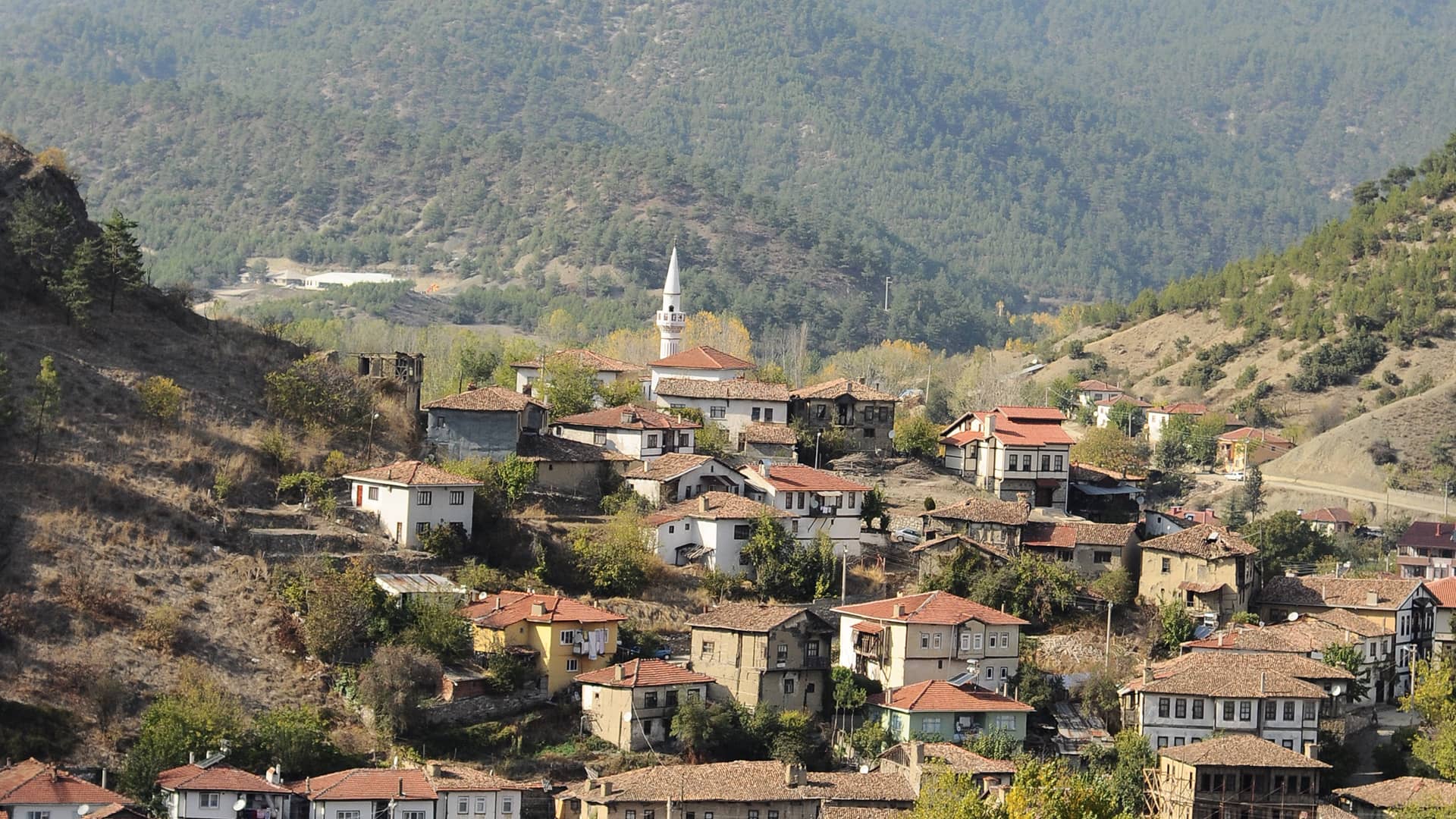
Famous for its 300-year-old Ottoman houses, Taraklı is one of Türkiye’s most charming villages. In 2021, it was selected as one of the UNWTO Best Tourism Villages for its commitment to preserving cultural heritage and supporting sustainable tourism. Located along the old Istanbul–Ankara road, it once served as an important Silk Road stop.
Taraklı Inn
Situated along the Baghdad route, this historic inn served travelers throughout the centuries. Today, it welcomes visitors after being restored.
Taraklı Houses
Its two- and three-story bay-windowed Ottoman houses earned Taraklı a place among the “Best Tourism Villages” of 2021 by the UN World Tourism Organization.
Geyve
Added to Ottoman territories during the reign of Osman Gazi, Geyve stretches along the fertile lands of the Sakarya River. Historically known as “Kâviye,” the district is steeped in cultural heritage.
Ali Fuat Pasha Train Station & National Forces Museum
Dedicated to Ali Fuat Pasha, an important figure in the Turkish War of Independence, this museum displays documents, photographs, and maps from the National Forces era.
Arifiye
A significant military center in the Bithynia region, Arifiye has hosted Roman, Byzantine, Seljuk, and Ottoman civilizations. Archaeological findings indicate its role as a strategic route and defense point.
Sapanca
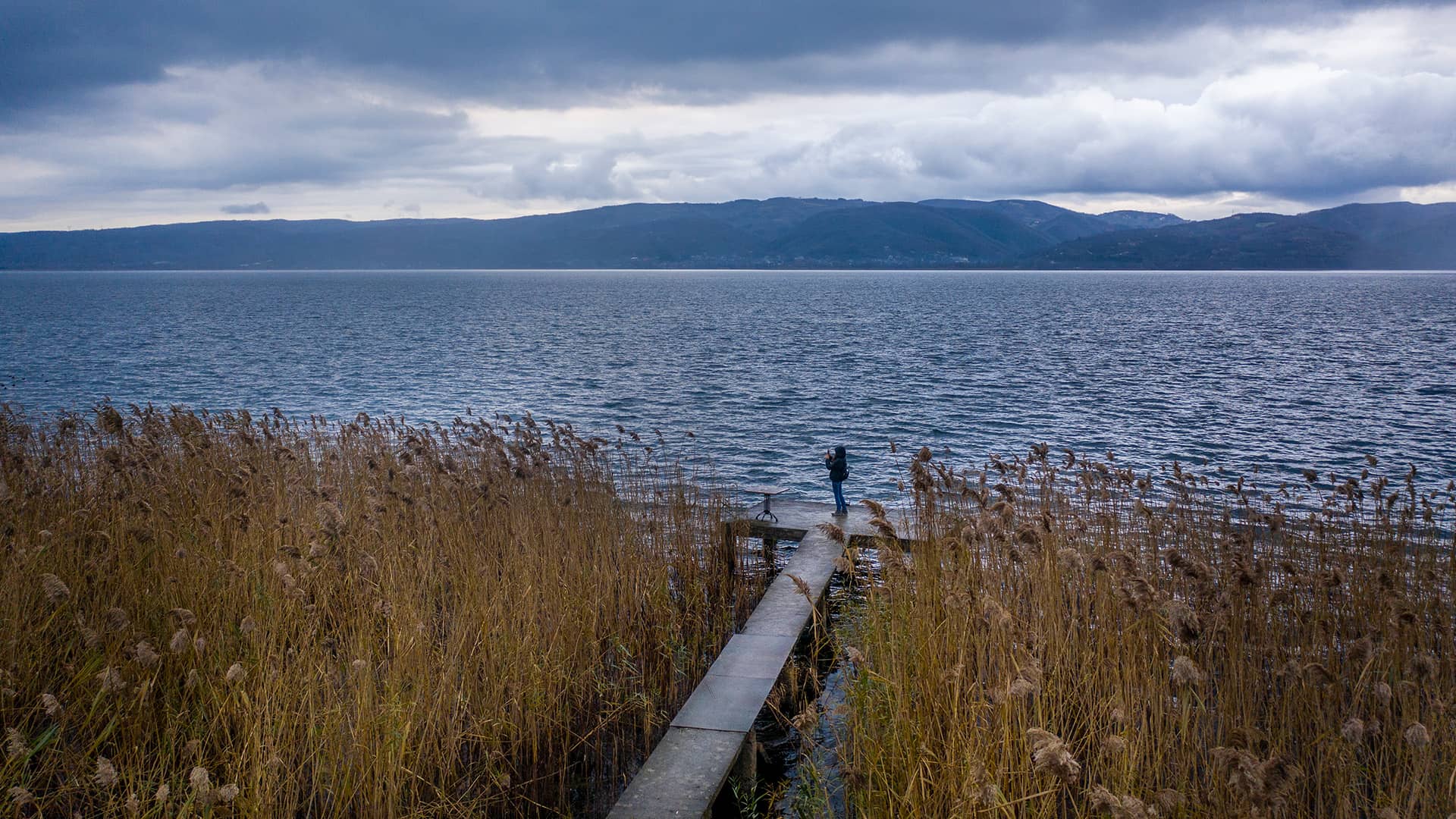
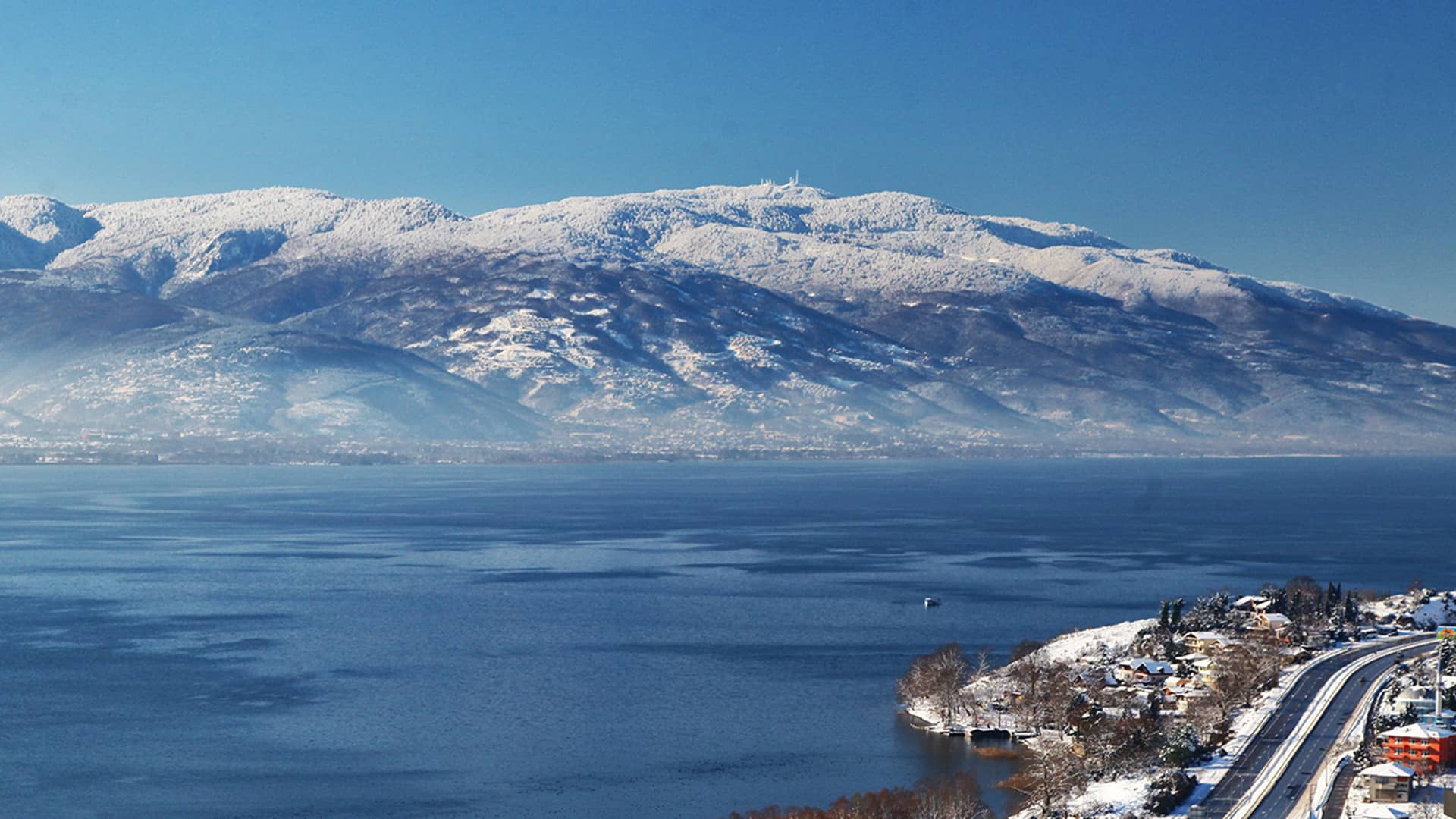
Known for its natural beauty, Sapanca is the peaceful final stop of the route with its lake views and serene atmosphere. Walking or cycling along the shore—or simply enjoying a coffee with a view—makes for a delightful experience.
Sapanca Lake
A tectonic lake rich in bird species, offering breathtaking reflections at sunset—perfect for photography enthusiasts.
Sapanca Art Street
Showcasing local crafts and handmade works, this street offers a meaningful cultural shopping experience.
Sapanca Bicycle Path
Stretching 5 km from İpekyolu Street to Kırkpınar Shoreline, the route is ideal for cycling and walking.
Day 3 — Seben · Kıbrıscık
Seben
Home to traces of civilizations from the Hittites to the Ottomans, Seben is a hidden paradise for nature and history lovers. Its mountain villages, rock dwellings, and scenic lake make it a rare meeting point of nature and heritage.
Seben Muslar Rock Dwellings
This five-story rock settlement from the Early Christian period resembles the formations of Cappadocia. Carved niches, dwellings, and cisterns reveal traces of the past.
Seben Lake
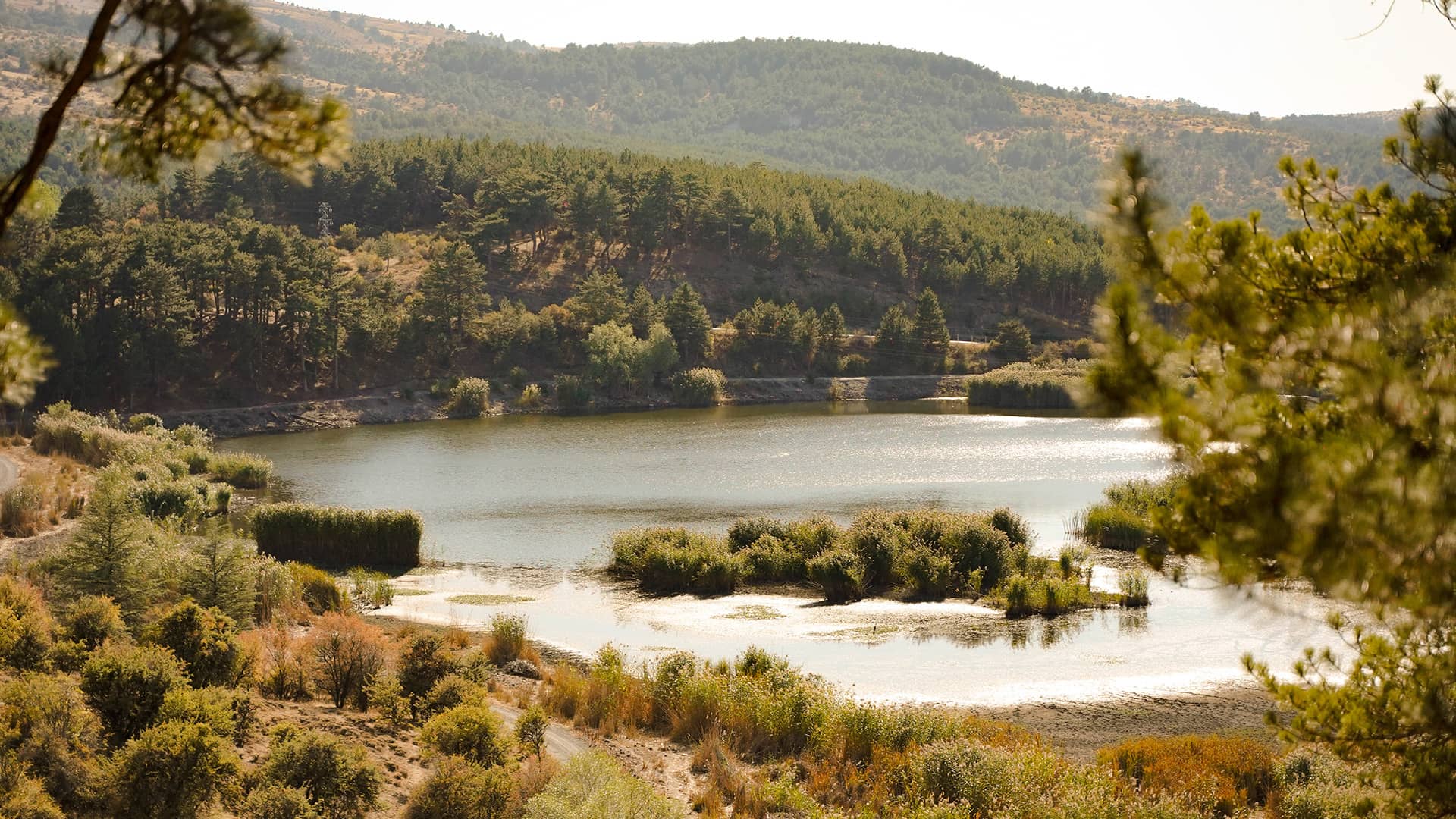
Surrounded by highland meadows, the lake has a 22 km perimeter. The areas around Kızık Plateau are ideal for picnics and nature walks.
Kıbrıscık
Situated at 1,090 meters, Kıbrıscık is known for its oxygen-rich mountain air and natural beauty. Its name is believed to derive from the ancient “Kyberis.” With a history dating back to the Roman era, this small district is surrounded by green valleys, lively streams, and peaceful highlands.
Karagöl Nature Park
With its dense forests, lake views, and rich ecosystem, the park is a perfect stop for nature lovers. Visitors can enjoy hiking, cycling, fishing, or picnicking.