

experiences
Unesco
As of 2022, Türkiye is home to 16 cultural and 2 mixed UNESCO World Heritage Sites. Mixed heritage sites contain elements of both natural and cultural significance. History comes alive as you travel within Türkiye. Sites with unique culture and historical significance can be admired and will enrich your knowledge of humanity’s extensive heritage.
Many civilizations from the earliest ages of humanity have settled in Türkiye and have left their mark across this beautiful country. Spectacular examples of natural wonders stand side by side with this rich cultural heritage.
Archaeological Site of Troy, Çanakkale
UNESCO World Heritage Site 1998
Troy, or Troia as it is mentioned in Homer’s epic Iliad, is located at the entrance of the Dardanelles, 30 km west of Çanakkale. The strait is the backdrop of the legend of Hero and Leander, the celebrated lovers of Greek mythology. It also holds a significant place in history.
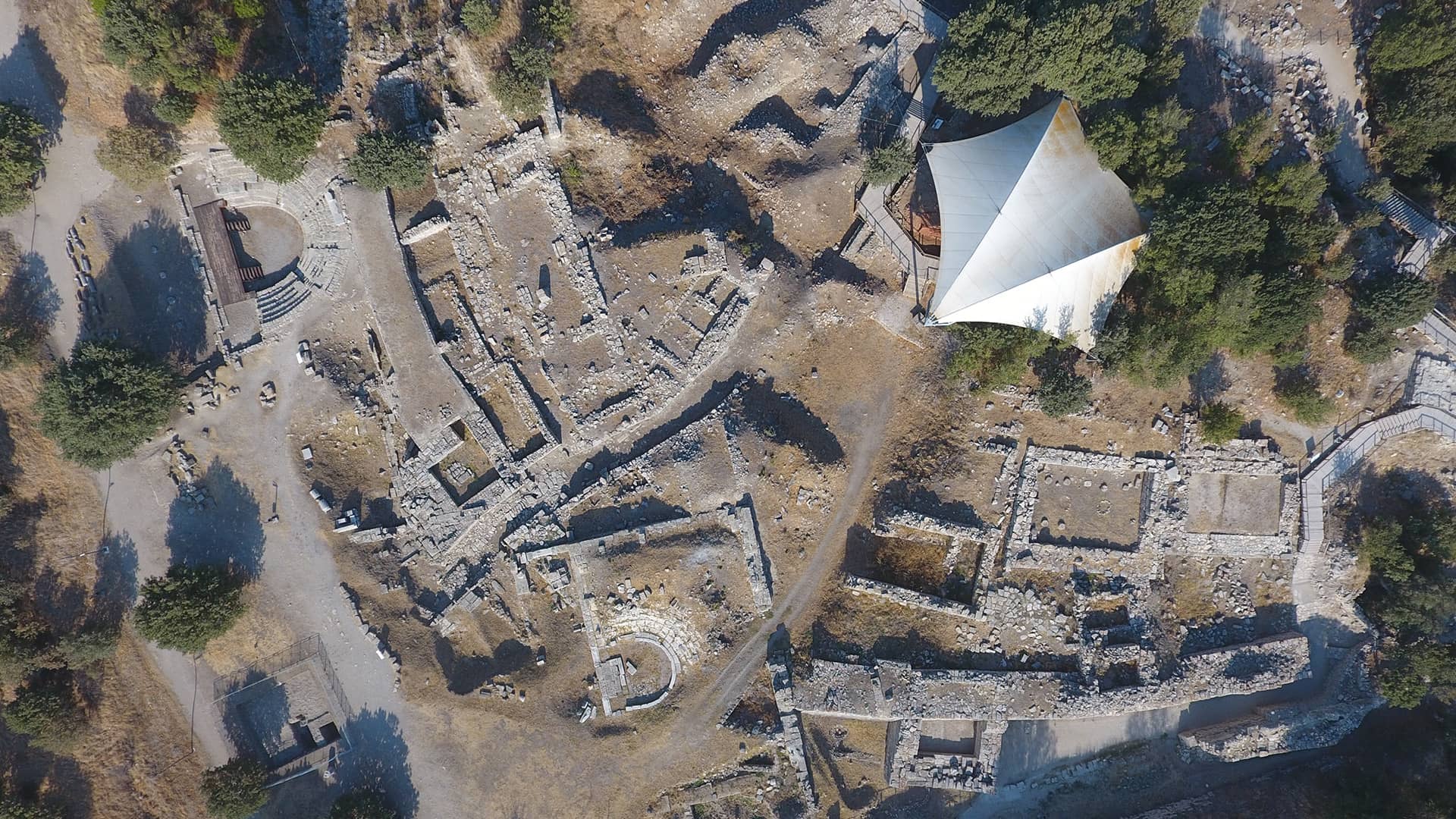
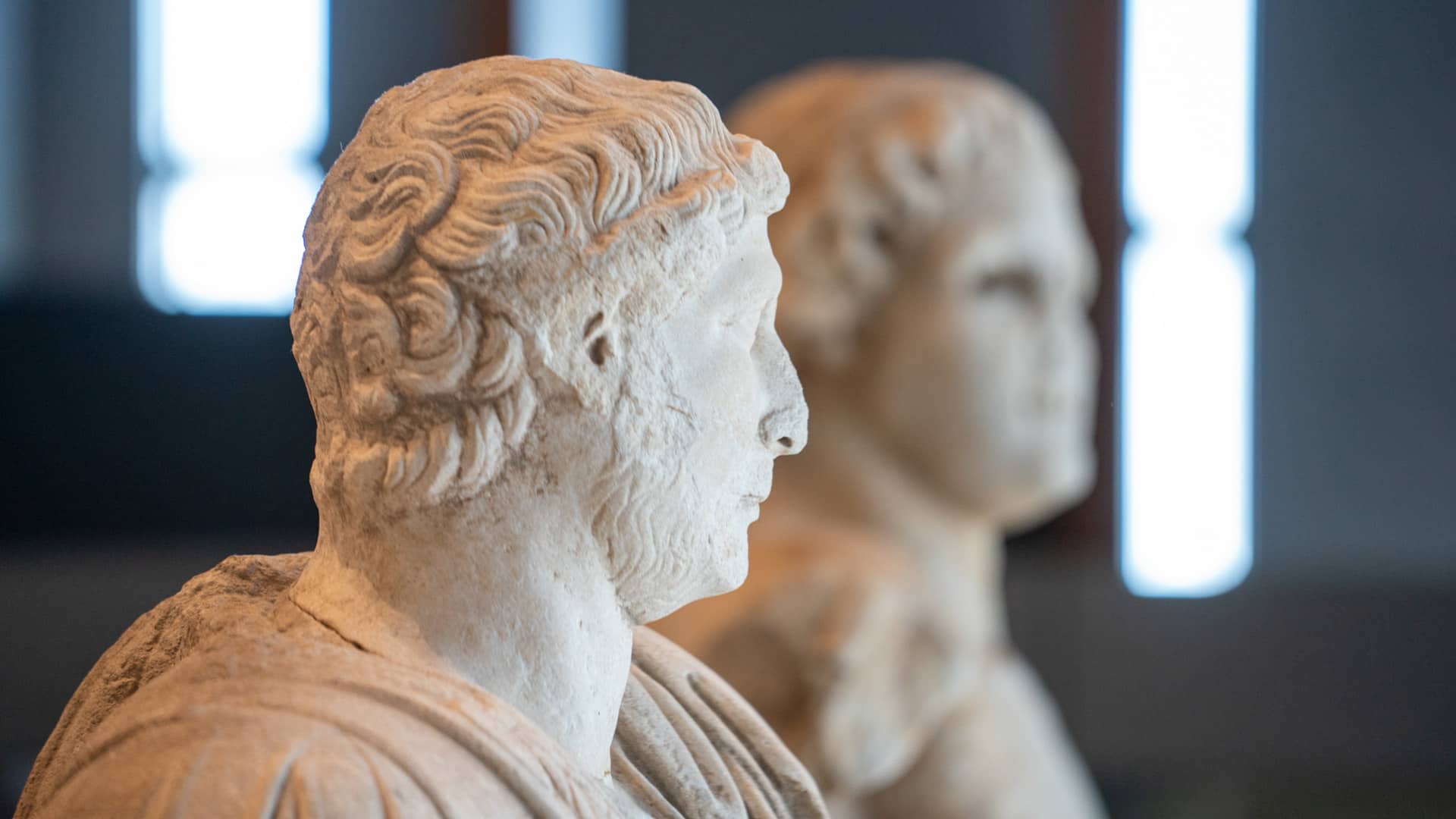
Homer immortalized Troy in the stories of King Priam, Hector, Paris, and the beautiful Helen. A symbolic wooden Trojan horse commemorates the legendary war. Recent excavations have left no doubt that Troy was an Anatolian city. The discovery of a Chalcolithic mound on the Dardanelles closed the historical gap, and the Luwian seal discovered has proved the city’s Luwian connection. The Hittite texts talk about a treaty between the Hittites and Prince Alakşandu of Wiluşa who is identified as Alexander of Ilios, better known as Paris of Troy, in the Iliad.
Troy also officially claimed ancestry from the Roman Empire through Aeneas. Today, the city walls of Troy VI stand as a reminder of the great Homeric city that resisted the Greeks. The Temple of Athena, the central megaron complex of Troy II, the Palace of Priam from Troy VI, the Sanctuary of Demeter, the Odeon and the nearby Bouleuterion from the Roman period are still in relatively good condition.
The new museum at Troy houses precious items from the site and many of the treasures of Troy.
Pergamum and Its Multi-Layered Cultural Landscape, İzmir
UNESCO World Heritage Site 2014
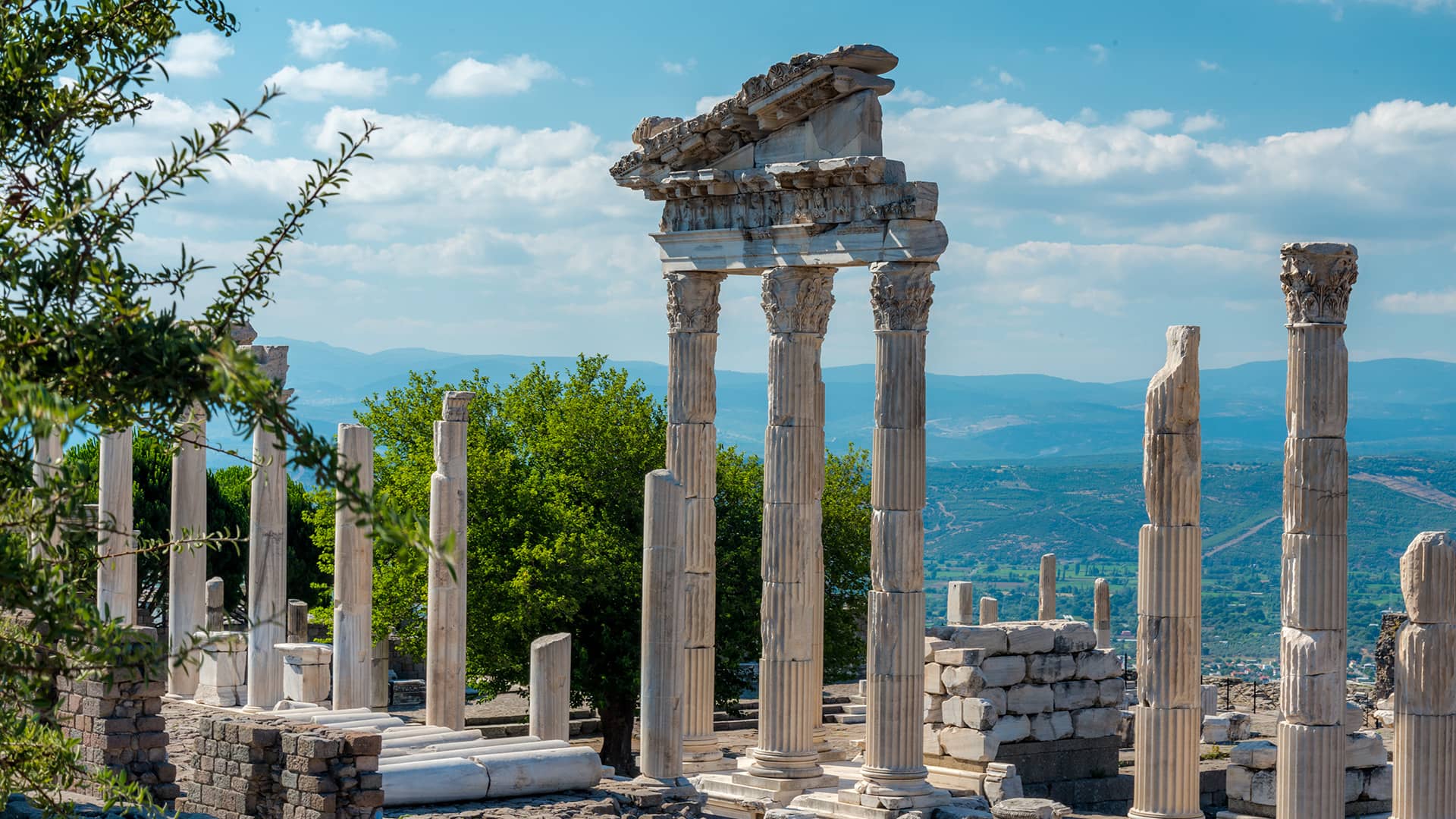
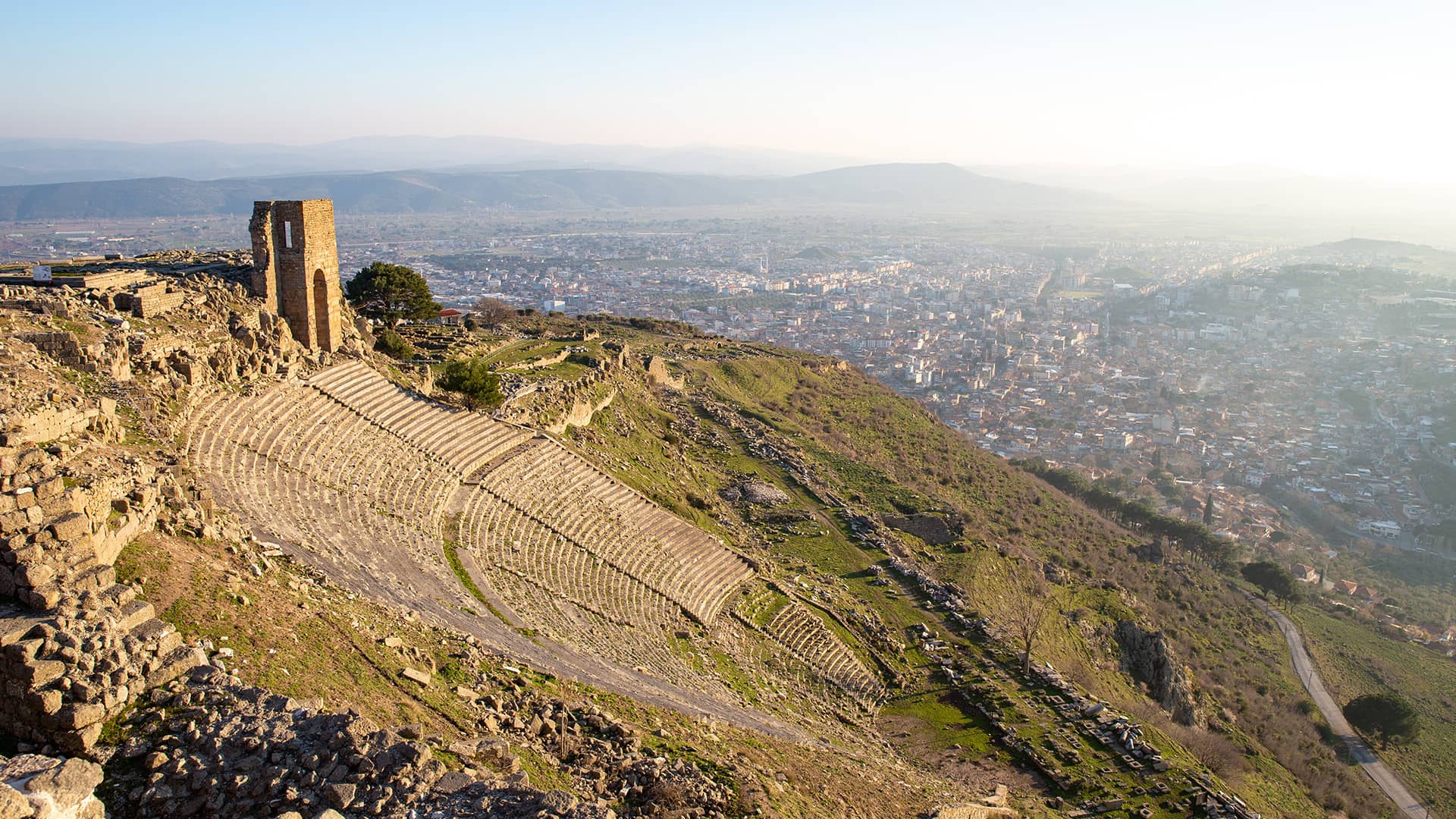
Bearing the traces of great civilizations to the present day, Pergamum was “the most illustrious city in Asia Minor” according to the ancient historian, Pliny the Elder, and still is as it is on the UNESCO World Heritage List. Pergamum was one of the oldest healing centres of the ancient world, the Asklepion, and the birthplace of Galen, the great physician, who led the way for modern medicine today. Classical splendour was so reflected in the city’s architecture, art, medicine, culture, and education that the invention of Pergamenese Paper, known as parchment, made the Library of Pergamum, the second largest in the ancient world challenged Alexandria with over 200,000 books.
The Acropolis of the city, built on terraces above a vast plain decorated by rivers from ancient times, offers visitors a unique view from the steepest theatre in the world. Located at the foot of the Acropolis – the upper city and initially dedicated to the Egyptian deities, the Red Hall later functioned as a church and mosque. Representing the traces of several beliefs and religions, Pergamum is one of the Seven Churches of Revelation that St. John wrote about in the bible. Modern Bergama town sheds light on the multicultural layers of the settlement with the Red Hall one of whose towers are still used as a mosque and the ruins of an ancient synagogue nearby.
Ephesus, İzmir
UNESCO World Heritage Site 2015
Fertile soil with peach orchards, olive groves, and poplars as far as the eye can see and a sprawling archaeological site – the UNESCO World Heritage Ancient City of Ephesus. Ephesus was an important port city settled continuously since the Neolithic period and became the Roman capital of Asia Minor.
Playing a vital role in the spread of Christianity, Ephesus was once home to two great Councils of the early Church and is one of the Seven Churches of Revelation. Visited by St. Paul on his missionary journeys and the final resting place of the Virgin Mary accompanied by St. John the Evangelist, Ephesus offers you a sophisticated journey in the footsteps of Early Christianity
Ephesus still bears the glamour of antiquity with its magnificent theatre where concerts and events are still held, the Celsus Library, well-preserved Roman houses, and the remains of the Temple of Artemis, one of the seven wonders of the ancient world. The floor mosaics of the Roman houses reveal the art and aesthetics of the period. The marbles shining under the Aegean sun and the cats of Ephesus waiting for the visitors in the shade of olive and fig trees will take you on a journey in the footsteps of ancient life.